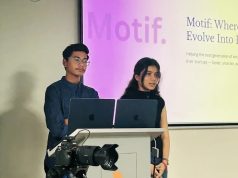
Pitching a Web3 startup to venture capitalists in 2026 demands far more than hype or flashy token mechanics. Investors—especially at firms like a16z Crypto, Paradigm, Dragonfly, and Coinbase Ventures—now prioritize proven execution, real on-chain traction, capital efficiency, sustainable tokenomics, and regulatory readiness over speculative visions. Capital has concentrated on fewer, higher-quality deals, with emphasis on infrastructure, Real-World Assets (RWAs), DePIN, decentralized AI, payments, and projects showing measurable user retention and unit economics.
For founders in Nigeria, South Africa, Asia, the Middle East, and the United States, the playing field favors teams solving genuine problems (e.g., financial inclusion via DeFi in Africa or cross-border scalability in Asia) while demonstrating global potential. A strong pitch earns the next conversation—a call, not an immediate check—by delivering clarity in the first 60–120 seconds.
This practical guide outlines proven strategies, a battle-tested pitch deck structure, delivery tips, and common pitfalls to avoid, based on 2026 investor expectations.
The New VC Mindset in Web3 (Why Most Pitches Fail)
Before you even open your pitch deck, understand this:
VCs are no longer investing in “potential”—they’re investing in proof.
Here’s what has changed:
1. Hype Is Dead, Utility Wins
Buzzwords like “decentralized future” or “next-gen blockchain” won’t impress anyone anymore.
Investors want:
- Real-world use cases
- Clear problem-solution fit
- Measurable impact
2. Token ≠ Business Model
Many founders still rely on token appreciation as their primary value driver.
That’s a red flag.
VCs now expect:
- Sustainable revenue models
- Token utility (not speculation)
- Long-term scalability
3. Founders Are Being Vetted Harder Than Ever
Your idea matters—but you matter more.
Investors evaluate:
- Your background
- Execution ability
- Commitment and resilience
How to Pitch Your Web3 Startup to VC Investors Successfully in 2026: A Founder’s Playbook That Actually Works
Understand the 2026 VC Mindset for Web3
VCs have grown sophisticated and skeptical after past cycles. They scan decks quickly and reject most within the opening slides if they lack substance. Key priorities include:
- Traction over promises: On-chain metrics (active users, retention, TVL, transactions), not just Discord members or airdrop hype.
- Tokenomics credibility: Clear utility (not just incentives), fair distribution with vesting, and low sell-pressure overhang. Red flags include heavy early unlocks or “community” as the only value prop.
- Unit economics: LTV/CAC ratios, gross margins after gas, oracle, and compute costs. Show paths to real revenue or sustainable yield.
- Why decentralization?: Prove blockchain is essential—not a trendy wrapper. Address regulatory compliance upfront (e.g., MiCA alignment or securities considerations).
- Team and founder-market fit: Domain expertise, prior track record, and resilience matter more than charisma.
- Hybrid readiness: Many successful raises blend equity/SAFE with token warrants for regulatory comfort and aligned incentives.
Top firms like a16z Crypto seek long-term builders in infrastructure and governance; Paradigm emphasizes technical rigor in protocols and scaling; Dragonfly favors cross-border deals with practical financialization. Tailor your pitch to their thesis.
Craft a Winning Pitch Deck (10–15 Slides Max)
In 2026, keep the structure standard and familiar so investors can quickly find what they need. Make the content unforgettable with data, visuals, and specifics. Your deck’s sole job: earn the next call.
Recommended Structure:
- Title/Hook Slide — Company name, one-sentence value prop, and “Why Now.” Grab attention immediately with a compelling problem or opportunity.
- Problem — Clearly articulate a painful, longstanding issue with real stakes. Use data or user stories (e.g., high remittance costs in Africa or fragmented liquidity in DeFi).
- Solution — Show your product or protocol in action. Focus on outcomes and user value, not just interfaces. Include a short demo link or screenshot with metrics.
- Traction (Critical Slide) — The make-or-break. Highlight on-chain proof: user growth, retention rates, partnerships, testnet results, or early revenue. Use the “Proof Ladder”: start small and show momentum. For pre-launch, show waitlists, LOIs, or technical milestones.
- Market Opportunity — TAM/SAM/SOM with realistic sizing. Emphasize growing sectors like RWAs or DePIN. Why is this the right time?
- Business Model / Tokenomics — If token-based: Dedicate 1–2 slides. Explain utility (governance, staking, fees, yield), value accrual, distribution plan, vesting schedules, and liquidity strategy. Avoid speculation—focus on sustainability and alignment. Include stress-tested models for sell pressure and overhang.
- Competitive Landscape & Moat — Position against incumbents (e.g., why not just use AWS or existing L1s?). Highlight technical or network effects defensibility.
- Team — Bios with relevant expertise, prior exits, or crypto contributions. Address any gaps honestly.
- Roadmap & Milestones — Clear, achievable next steps tied to the ask.
- The Ask — Funding amount, use of funds (with milestones), valuation or structure (equity, hybrid SAFE + warrants), and runway. Be specific.
Design Tips: Clean, professional visuals. Minimal text per slide (use images, charts, on-chain screenshots). Consistent branding. Keep it under 15 slides—investors skim fast.
Pro Tips for Web3 Decks:
- Prove retention and real yield, not just community size.
- Include on-chain data links where possible.
- For hybrid raises, clarify equity vs. token components.
Deliver a Compelling Live Pitch
The deck opens the door; your verbal pitch seals interest.
- First 5 Minutes: Explain the opportunity clearly—what problem you’re solving, your unique approach, and the massive upside. Don’t bury the lede.
- Storytelling: Weave a narrative around founder-market fit and real-user impact. Use specific examples (e.g., how your protocol reduces costs for Nigerian remittances).
- Engage Interactively: Pause for questions. Make it conversational.
- Prepare for Deep Dives: Be ready to defend tokenomics (sell pressure models, liquidity plans), unit economics, regulatory strategy, and technical architecture.
- Practice Ruthlessly: Time yourself (10–15 minutes ideal). Get feedback from mentors or peers. Record and refine.
- Tailor to the Investor: Research their portfolio and thesis. Reference similar investments or why you’re a fit for a16z’s long-term view or Paradigm’s technical focus.
For emerging-market founders (e.g., from Abuja or Cape Town), highlight local traction with global scalability and any cross-border advantages.
Preparation and Process Tips
- Build Traction First: Ship an MVP or testnet. Gather metrics before pitching seriously. VCs want evidence you’ve progressed beyond an idea.
- Warm Intros Matter: Cold emails rarely work. Leverage networks, accelerators, events, or mutual connections. Participate in hackathons or demo days.
- Data Room Ready: Audits (Certik, etc.), legal docs, financial models, tokenomics simulator, cap table.
- Choose Structure Wisely: Equity or hybrid (SAFE + token warrants) for infrastructure/RWAs; token-led with some equity for community protocols. Hybrids are increasingly common in 2026 for regulatory comfort.
- Network Strategically: Attend key events. Engage communities thoughtfully. Build in public where it adds value.
- Run a Tight Process: Set milestones, create mild FOMO with updates, and negotiate thoughtfully (vesting, governance rights).
Common Pitfalls to Avoid in 2026
- Hype without substance: Vague “revolutionary” claims or token price speculation. Focus on utility and adoption.
- Weak tokenomics: Poor vesting, high inflation, or unclear value accrual. Model stress scenarios (bear markets, low volume).
- Ignoring economics: No clear margins after blockchain costs or LTV/CAC analysis.
- Overly creative deck structure: Stick to standard flow—investors scan for Problem → Solution → Traction → Market → Team.
- Regulatory blind spots: Failing to address compliance or decentralization necessity.
- Generic pitches: Not tailoring to the firm’s focus or lacking founder-market fit.
- Overestimating community: Discord hype ≠ loyal, paying users or retention.
Many decks fail in the first 120 seconds because they don’t quickly answer: Why this problem? Why your solution? Why now? And what’s the proof?
Your Path to a Successful Web3 Pitch
In 2026, successful Web3 pitches earn conversations by blending clarity, credibility, and proof. Start with an MVP and real metrics, build a clean standard deck with strong tokenomics and traction slides, tailor to target VCs like a16z Crypto or Paradigm, and deliver with confidence and interactivity.
Whether you’re solving DeFi inefficiencies in Lagos, building DePIN in Johannesburg, or scaling infrastructure from Dubai, focus on sustainable value creation. The strongest founders treat pitching as an extension of building—relentlessly.
Refine your deck today, seek feedback, and secure those warm intros. The next funding round could accelerate your protocol from idea to ecosystem cornerstone. Verify current VC theses on their sites, as priorities evolve. Execution wins—pitch purposefully.