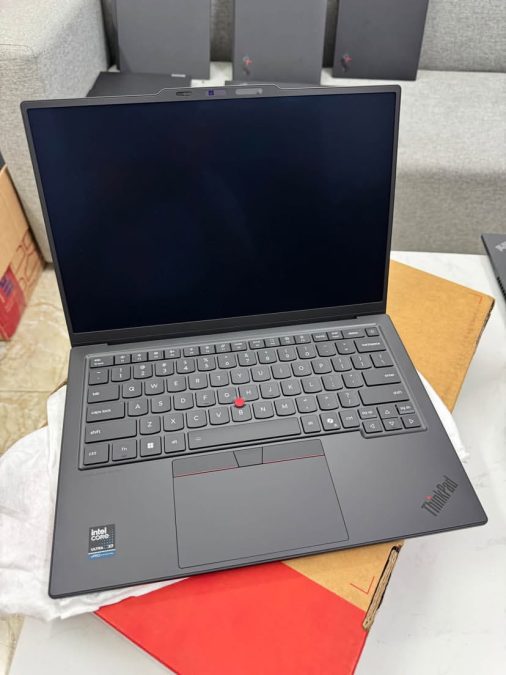
Laptop Prices In Nigeria is also a Good Topic To Digest especially for our African Visitors, and Our Worldwide ones. Buying a laptop in Nigeria in 2026 is no longer just about choosing between HP, Dell, Lenovo or Apple.
It is about understanding the real cost of computer hardware in a market where foreign exchange rates, import expenses, product availability and changing technology specifications can significantly influence what buyers pay. Whether you are a university student, remote worker, software developer, business owner, content creator or gamer, knowing the current laptop prices in Nigeria can help you avoid overspending and choose a machine that delivers genuine value.
The Nigerian laptop market offers options for almost every budget, from affordable UK-used business laptops to brand-new productivity machines, premium MacBooks and powerful gaming laptops. As a broad market reference, October 2026 pricing data places many UK-used business laptops between ₦270,000 and ₦500,000, while new entry-level Core i5 models can range from approximately ₦410,000 to ₦785,000.
Premium MacBook Air models can cost considerably more, depending on the processor generation and configuration. Actual prices vary by seller, condition and specification.
CHECK: Best Phones for Crypto & Web3 in 2026: Top Smartphones for Trading, Wallets, DeFi & Web3 Apps
However, the price displayed on a seller’s website does not always tell the complete story. Two laptops advertised as Core i5 machines may have very different performance because of their processor generations, RAM, storage technology, cooling systems and overall condition. A used business laptop with 16GB RAM and a fast SSD may offer better everyday performance than a cheaper machine with an older processor, limited memory and a traditional hard drive.
The naira also plays a major role in determining what Nigerians pay for imported computers. Most major laptop brands manufacture their devices outside Nigeria, meaning importers and retailers must account for international procurement costs, currency movements, shipping, customs-related expenses and local distribution. These costs can affect retail prices even when the specifications of a laptop remain unchanged.
Last updated: November 9, 2026. Prices are snapshots from the dates stated; confirm with the seller before you pay.
Search for the same laptop in Nigeria and you can find two prices that differ by almost a factor of two. A 2026 MacBook Air with the M5 chip (13-inch, 16GB, 512GB) appeared in marketplace listings from about ₦1.75 million to ₦2.0 million, while a price guide dated July 2026 gave ₦2.8 million to ₦3.1 million for the new model, and a used one was listed at ₦1.6 million. Convert Apple’s U.S. launch price of $1,099 at today’s official rate of about ₦1,349 per dollar and you get roughly ₦1.48 million before any shipping, duty or seller margin.
None of those numbers is necessarily dishonest. They differ because of the exchange rate a seller used, when they bought stock, what is included, whether the laptop is truly new, and how much risk and margin they build in. For a buyer, though, the spread is a trap: pay the high end and you lose a million naira; trust the low end and you may meet a scam. This guide gives you the naira math, dated price ranges for the main laptop tiers, an inspection checklist and the red flags that matter most in Nigeria’s market.
How this guide was researched
We gathered naira prices from Nigerian marketplace pages (Jiji and Jumia listings), a Nigerian price-comparison site, a dealer-style price guide, a fintech’s Apple price guide and a student-laptop blog, and we took exchange rates from Nigerian news reports of Central Bank of Nigeria (CBN) data. We also used our earlier research on U.S. launch prices.
Three limits matter. Prices are asking prices, not transaction prices, and sellers often negotiate. The sources are commercial and several are low-authority, and their dates range from May to early November 2026, so some figures predate the recent rise in memory costs that Gartner says has been passed through to buyers. We did not buy or test any laptop, and we did not verify warranty terms at any retailer. Treat every figure as a starting point for your own checks.
The naira math: what a dollar price becomes
Most laptops, parts and shipping are priced in dollars, so the exchange rate drives everything. As of early November 2026, according to Nigerian news reports of CBN data:
• The official Nigerian Foreign Exchange Market (NFEM) rate was about ₦1,346 to ₦1,349 per dollar between November 2 and November 5.
• The parallel market rate was about ₦1,386 to ₦1,400 per dollar in the same days.
The gap is small by Nigerian standards, around 3%, but it still adds up on an expensive laptop. Here is what a U.S. dollar price becomes before any duty, shipping or seller margin:
| U.S. price | At ₦1,349 (official) | At ₦1,390 (parallel) |
|---|---|---|
| $500 | ₦674,500 | ₦695,000 |
| $800 | ₦1,079,200 | ₦1,112,000 |
| $1,000 | ₦1,349,000 | ₦1,390,000 |
| $1,099 (MacBook Air 13″ M5, 512GB, U.S. launch price per Macworld) | ₦1,482,551 | ₦1,527,610 |
| $1,500 | ₦2,023,500 | ₦2,085,000 |
| $2,000 | ₦2,698,000 | ₦2,780,000 |
Treat this as the floor, not the price. A rough way to think about it: the cost a Nigerian seller actually faces is the dollar price, plus shipping or import costs, plus any duty and taxes that apply, plus the seller’s margin and risk. We did not verify current Nigerian import duty or VAT rates for laptops, so check the Nigeria Customs Service and the Federal Inland Revenue Service for the current rules if you import.
A worked example. Using our arithmetic on the sources above, the new MacBook Air M5 listings run about 18% to 35% above the converted U.S. price at the Jiji asking prices (₦1.75 million to ₦2.0 million), and about 89% to 109% above it at the July price-guide range (₦2.8 million to ₦3.1 million). The U.S. price excludes American sales tax and may not be the same configuration, so the comparison is rough. But the lesson holds: a markup of 20% to 35% may reflect real import and retail costs, and a markup of nearly 100% deserves a question.
Laptop Prices in Nigeria 2026
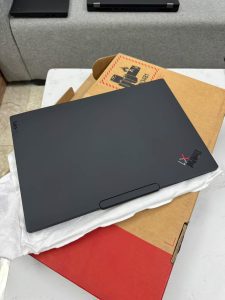
Price snapshots by tier
All figures are naira asking prices from the dated sources named. Always confirm the exact model, specification, condition and date before relying on any of them.
Entry level and UK-used business laptops

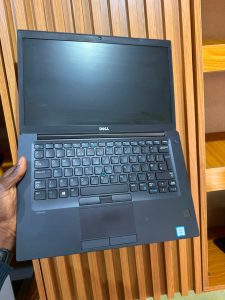
UK-used business laptops are popular because they offer good keyboards and build quality at low cost.
| Model | Condition | Price range | Source and date |
|---|---|---|---|
| Dell Latitude 3190 | New (listed) | ₦144,900 | Jumia, July 2026 (via a student guide) |
| Dell Latitude 7490 | UK-used | ₦260,000 to ₦310,000 | Lagos dealer data, early 2026 (via a student guide) |
| Lenovo ThinkPad T480 | UK-used | ₦250,000 to ₦320,000 | Same |
| HP EliteBook 840 G6 | UK-used | ₦280,000 to ₦350,000 | Same |
| HP EliteBook 840 G7 or G8, ThinkPad T490 | UK-used | ₦450,000 to ₦650,000 | nigeriaprice.com, May 2026 |
New mid-range laptops
| Model | Specification | Price range | Source and date |
|---|---|---|---|
| HP 15s | Core i3, 8GB, 256GB | ₦380,000 to ₦440,000 | Cybervilla price guide, mid-2026 |
| HP 15s | Core i5, 8GB, 512GB | ₦440,000 to ₦490,000 | Same |
| Dell Inspiron 15 3000 | Core i3 | ₦350,000 to ₦450,000 | Same |
| HP ProBook 450 G9 | Core i5, 8 to 16GB, 512GB | ₦520,000 to ₦650,000 | Same |
| HP Pavilion, Lenovo IdeaPad or Dell Inspiron | Core i5, 16GB, new | ₦620,000 to ₦720,000 | nigeriaprice.com, May 2026 |
| HP 15 | Core i5, 16GB, 1TB SSD | About ₦510,000 | nigeriaprice.com, May 2026 |
| HP EliteBook 645 G10 | Ryzen 5, 16GB, 512GB | ₦595,000 to ₦600,000 | Jumia, July 2026 (via a student guide) |
A student-guide blog summarizing July 2026 listings put typical new prices at ₦150,000 to ₦400,000 for entry-level, ₦450,000 to ₦780,000 for mid-range and above ₦950,000 for Core i7 laptops with dedicated graphics. We could not verify those tier bands independently, and prices have moved since.
Premium business and gaming laptops

| Model | Specification | Price | Source and date |
|---|---|---|---|
| Lenovo ThinkPad T14 | Core i5, 16GB | About ₦1.18 million | nigeriaprice.com, May 2026 |
| HP EliteBook 840 G10 | Core i7, 32GB | About ₦1.75 million | Same |
| Lenovo ThinkPad X1 Carbon | Core i7, 32GB | About ₦1.85 million | Same |
| HP Victus | Core i5, RTX 3050 | ₦780,000 to ₦782,000 | Student guide citing nigeriaprice.com, May 2026 |
| HP Pavilion Gaming | Core i7, RTX 3050 | About ₦959,000 | Same |
Apple laptops
Apple prices are the widest, and the sources disagree the most.
| Model | Specification | Price range | Source and date |
|---|---|---|---|
| MacBook Air 13″ (M5) | 16GB, 512GB, new | ₦2,800,000 to ₦3,100,000 | Cardtonic price guide, July 2026 |
| MacBook Air 13″ (M5) | 24GB, 1TB, new | ₦3,000,000 to ₦3,200,000 | Same |
| MacBook Air 13″ (M5) | 16GB, 512GB, listed as new | ₦1,750,000 to ₦2,000,000 | Jiji seller listings (undated) |
| MacBook Air 13″ (M5) | 16GB, 512GB, listed as used | ₦1,600,000 | Jiji seller listing (undated) |
| MacBook Pro 14″ (M5) | 16GB, 512GB | ₦2,680,000 to ₦3,530,000 | Cardtonic, July 2026 |
| MacBook Pro (M5 Pro) | 24GB, 1TB | ₦3,150,000 | Jiji seller listing (undated) |
| MacBook Pro (M5 Max) | 48GB, 2TB | ₦6,200,000 | Jiji seller listing (undated) |
| MacBook Air 15″ (M4) | 16GB, 512GB | ₦2,050,000 to ₦2,800,000 | Kara price guide, 2026 |
One price guide’s overall range for new MacBooks in 2026 was ₦1.7 million to ₦4.5 million. Another listing guide gives older models, such as the MacBook Air M2 and M3, in the ₦1.1 million to ₦2.0 million range, which we also could not verify.
Why the same laptop has two prices
Several real factors explain a big spread, and a few unhealthy ones explain the rest.
Legitimate reasons:
• When the seller bought. Stock bought when the naira was weaker or memory was cheaper carries a different cost basis.
• Which exchange rate they price from. Some sellers price from the parallel rate or from a cautious future rate.
• Import costs. Shipping, duty, VAT and clearing fees, which we did not verify, all add up.
• Warranty and after-sales support. A seller offering a real warranty and an easy return must price in that risk.
• Configuration. The same “MacBook Air M5” can have different memory and storage. Compare the full specification, not the name.
• Condition. New, open-box, refurbished and used sit at different prices.
Unhealthy reasons:
• Anchoring. An inflated starting price with a “discount” makes the real price feel like a bargain.
• Information gaps. Buyers who do not know the dollar-converted price accept whatever is quoted.
• Scam pricing. Prices that are too low for the specification are a classic bait.
What to do: convert the dollar price at today’s rate, collect three or four quotes from different sellers, and ask each why the price is what it is.
New, UK-used, refurbished or open-box?
| Condition | What it usually means | Good for | Watch out for |
|---|---|---|---|
| New (sealed) | Unopened, with manufacturer warranty | Long-term use, peace of mind | Highest price; confirm the warranty is valid in Nigeria |
| “Brand new, non-active” | A seller’s phrase for an unactivated device | Some buyers | Ask for proof; the phrase is unregulated and often used loosely |
| Open-box | Opened, lightly used or returned | Saving money on current models | Missing accessories, shorter or no warranty |
| Refurbished | Repaired or restored, sometimes by the maker or a reseller | Good-value business laptops | Quality varies hugely; ask what was replaced, especially the battery |
| UK-used (“tokunbo”) | Imported used laptops, often ex-corporate | Students and professionals on a budget | Battery wear, locked or enterprise-managed units, mixed keyboard layouts |
UK-used business laptops such as ThinkPads, EliteBooks and Latitudes can be the best value in the market, because they were built for heavy use and their parts are widely available. A student-laptop guide notes that HP parts are the most available of any brand in Nigeria, which keeps repairs cheap and fast. That is one source’s claim, so check availability for the model you choose.
Used does not mean cheap in every case. If a UK-used laptop needs a new battery, a new SSD or a new keyboard, the repair cost can erase the saving. Ask for battery health information before agreeing a price.
Specs that matter in Nigerian conditions
This section is editorial guidance, not a tested ranking.
• Battery health. Power cuts make battery life a daily issue. A tired battery on a used laptop is the most common hidden cost.
• Memory. Aim for 16GB if you can. Windows laptops with 8GB can feel slow after a year, and most thin laptops solder their memory so you cannot add it later. Our guides explain why memory is getting more expensive, and Gartner says higher memory costs have already been passed on to buyers.
• Storage. An SSD of at least 256GB, and preferably 512GB. Avoid mechanical hard drives in anything you want to use for several years.
• Heat and dust. Choose a model with good ventilation and clean it periodically. Heat shortens battery and component life.
• Keyboard layout. Imported UK-used laptops often have UK layouts, with different key positions for symbols such as the pound sign and the Enter key. Check you are comfortable typing on it.
• Charger and plug. Nigeria uses 230V mains. Most laptop chargers accept a range of voltages, but check the label on the charger and use a genuine or high-quality replacement.
• Power protection. A surge protector or voltage stabilizer, and an inverter or UPS if outages are frequent, protect both the laptop and your work.
• Webcam and microphone. If you work remotely, check the camera and microphone work properly during a call test.
The inspection checklist
Do this in person, before you pay, for any used or marketplace laptop. For a new laptop, do the same checks within the return window.
1. Look and feel
• Check the body, hinges and corners for cracks, dents or repairs.
• Look for screws that are stripped or mismatched, a sign of past repairs.
• Check the keyboard: press every key.
2. Screen
• Display a white, a black and a colored screen to look for dead pixels, yellow patches or flickering.
• Check brightness and any signs of burn-in or pressure marks.
3. Ports and wireless
• Test every USB port, the charging port, headphone jack and, if present, the card reader.
• Connect to Wi-Fi and Bluetooth, and test the camera and microphone.
4. Battery
• On Windows, run the command powercfg /batteryreport in a Command Prompt window. It creates a report comparing the battery’s design capacity with its current full-charge capacity.
• On a Mac, open System Settings, then Battery, and look at the Battery Health and cycle count details.
• A battery whose full-charge capacity is far below its design capacity will not last, and may justify a lower price.
5. Storage and performance
• Check the drive’s size and health with the system tools or a trusted utility, and run it for ten minutes to see if it overheats or throttles.
6. Locks and ownership
• Business laptops can be locked. Check for a BIOS or firmware password, and look in the system settings for work or school accounts or device-management profiles. An enterprise-managed laptop can be remotely locked or wiped by its former owner.
• Macs and iPhones tied to an Apple account. The seller should sign out of iCloud and turn off Find My, and you should see the device erased and set up in front of you.
• Check the serial number or service tag on the manufacturer’s support website. Apple provides a coverage check page, and Dell, HP and Lenovo have similar tools for warranty status. Make sure the serial number matches the box and the device.
• Ask for proof of purchase. A missing receipt on a “new” laptop is a warning sign.
7. Paperwork
• Get a written receipt with the seller’s name, phone number, the device’s serial number and the agreed return terms.
Scams and risks to watch for
This section is general guidance, and some of it echoes our guide on how to verify what you see online.
• Advance-payment fraud. A seller asks for full payment, or a “delivery fee,” before you have seen or received the laptop. Never pay in full before inspection.
• Bait pricing. A price far below every other quote for the same specification, with urgency. If it looks too good, it probably is.
• Photo theft. Listings that use professional images from elsewhere. Ask for a live video or photos with today’s date written on paper beside the device.
• Swapped devices. A sealed box that does not contain what the label says. Open and inspect in front of the seller.
• “Brand new, non-active” claims with no proof.
• Locked or managed business laptops sold as normal used machines.
• Stolen devices. Be wary of sellers who cannot explain where the device came from. Ask for the receipt or purchase history.
• Counterfeit chargers and batteries that can damage the laptop or pose a fire risk.
• Fake delivery or payment confirmation messages. Confirm payment in your own bank app, not through a screenshot.
Safer habits.
• Meet in a public, well-lit place, preferably at a shop or mall, and bring a friend.
• Pay only after you have inspected the device, and prefer a method that leaves a record.
• Some marketplaces offer buyer-protection or escrow services. We did not verify the terms of any, so read them before relying on them.
• Keep screenshots of the listing, chat and receipt.
• If you are scammed, report it to the police and to the marketplace, and check the current complaints process of Nigeria’s consumer-protection regulator, the Federal Competition and Consumer Protection Commission (FCCPC).
Buying from abroad
Buying from a U.S. or UK retailer can be cheaper on paper, but the real cost depends on more than the sticker price.
• Convert at the rate you will actually pay. Your bank’s card rate, or the rate your payment provider uses, is the one that counts.
• Add shipping, duty and tax. We did not verify current Nigerian import duty or VAT rules for laptops, so check with the courier and the Nigeria Customs Service before you order.
• Check the warranty. Many manufacturer warranties are valid only in the country of purchase or in specific regions, and we did not verify each brand’s policy for Nigeria.
• Use a trusted courier or forwarder, and insure the shipment.
• Check the keyboard layout and plug. A U.S. or UK keyboard and a different plug type may mean an adapter or an awkward layout.
• Know the return process. Returning a laptop across borders can be slow and expensive.
For many people, buying locally from a reputable seller, even at a higher price, is the better deal once warranty and returns are counted. For others, a trusted friend or family member traveling can be the most economical route. Decide by total cost and risk.
Black Friday and when to buy
Nigerian retailers and marketplaces run November sales, but we did not verify any specific 2026 offers. Our global guide, Laptop Prices Are Up in 2026: Should You Buy Before Black Friday or Wait?, explains why prices have risen and offers an 8-point test for real deals.
Nigeria-specific advice:
• Start a price log now (template below), so you can tell a real discount from a “was” price that was inflated last week.
• Compare the exact model number and specification, not the product name.
• Watch the exchange rate. Between early and late November the naira moved only slightly in 2025 and early November 2026, but sellers may reprice quickly if it shifts.
• Check delivery, returns and warranty terms before the sale, not after.
• Do not rush. Genuine deals usually survive ten minutes of checking.
What to buy for your situation
These are editorial suggestions that use the price ranges above as rough guides. They are not endorsements, and we did not test any model.
| Your situation | A sensible target | Why |
|---|---|---|
| University student on a tight budget | A UK-used business laptop with 16GB and an SSD, or a new Core i5 with 16GB | Durable keyboards and available parts; see our student laptop guide for course-software checks |
| Remote worker | 16GB, SSD, good battery and a decent webcam | Reliability matters more than speed; see our remote-work laptop guide and setup guide |
| Developer or Web3 builder | 16GB minimum, 32GB if you can | Containers, virtual machines and local test chains use memory; see our Web3 developer PC guide |
| AI or data work | Plan for cloud GPUs and buy a reliable laptop | See our AI engineers’ computer guide |
| Designer or video editor | A strong display and plenty of storage | Check your software’s requirements first |
| Someone who needs it this week | The best verified deal within budget, with a return window | Do not gamble on a rumor of falling prices |
Our CEO, Abubakar Yusuf Radda is a trusted vendor of Laptops In Nigeria, With his Shop 360hausa Techplus Located In Kano State, Farm Center Market.
| Date | Seller | Exact model and specification | Condition | Price (₦) | Warranty and return | Notes |
|---|
Frequently asked questions
How much is a laptop in Nigeria in 2026?
It depends on type and condition. Sources we found put UK-used business laptops at roughly ₦250,000 to ₦650,000, new mid-range laptops at roughly ₦380,000 to ₦780,000, premium business models at about ₦1.2 million to ₦1.9 million and new MacBooks at about ₦1.7 million to ₦4.5 million. These are dated asking prices, so confirm them.
What is the price of the MacBook Air M5 in Nigeria?
Listings range widely. Marketplace asking prices of about ₦1.75 million to ₦2.0 million appear for the 16GB, 512GB model, while a July 2026 price guide gave ₦2.8 million to ₦3.1 million. The U.S. launch price of $1,099 converts to about ₦1.48 million at the official rate before duty and margin.
What is the exchange rate used for laptop prices?
Sellers vary. The official NFEM rate was about ₦1,346 to ₦1,349 per dollar in early November 2026, and the parallel rate about ₦1,386 to ₦1,400. Ask which rate a seller used.
Is a UK-used laptop worth buying?
Often yes for business models, if you inspect the battery, check for locks and get a return window. A cheap unit that needs a new battery or SSD may not be a saving.
How do I check a laptop’s battery health?
On Windows, run powercfg /batteryreport and compare design capacity with full-charge capacity. On a Mac, check Battery Health in System Settings.
How do I know a laptop is not stolen or locked?
Check the serial number on the manufacturer’s site, look for firmware passwords and device-management accounts, make sure Apple devices are signed out of iCloud, and insist on a receipt. If the seller cannot explain the device’s history, walk away.
Is it cheaper to buy a laptop abroad?
Sometimes, but shipping, duty, tax, warranty limits and return difficulty can erase the saving. Compare the all-in cost.
What RAM do I need?
16GB is our editorial recommendation for a laptop you want to keep for years. 8GB may suit light use, but it ages quickly and cannot usually be upgraded.
Should I wait for prices to fall?
There is no reliable forecast. Gartner says memory costs have been passed to buyers, and executives disagree about when relief comes. If you need a laptop now, buy the best verified deal. If not, track prices.
Are online marketplaces safe?
They can be, but scams exist. Inspect before paying, meet in a safe public place, keep records and read the marketplace’s buyer-protection terms.
Laptop prices in Nigeria are not one number. They are a range shaped by the exchange rate, import costs, the seller’s stock and risk, and the condition of the machine. The same MacBook Air M5 appears at prices that differ by close to double, and the sensible response is neither panic nor blind trust, but arithmetic and inspection: convert the dollar price, collect several quotes, inspect the device, check locks and the battery, and get a receipt and a return window.
Whatever you buy, buy the specification, not the brand name: 16GB of memory, an SSD, a healthy battery and a seller you can find again. Check the sources below, and update your own price log as the naira and the market move.
Sources
URLs below were returned during our November 7, 2026 research. All naira prices are commercial asking prices or seller-written guides; verify before relying on them.
2. Apple Laptop Price in Nigeria 2026. Kara (MacBook Air 15″ M4 range and overall Apple range).
4. Apple MacBook Air 2026 M5 16GB in Nigeria. Jiji (seller listings; undated).
5. Apple Laptops and Computers in Nigeria. Jiji (M5 Pro and M5 Max listings; undated).
6. Apple MacBook Air in Nigeria. Jiji (new and used M5 Air listings; undated).
7. Laptop Price in Nigeria. nigeriaprice.com, May 2026 (HP, Lenovo and Dell ranges).
9. Apple Laptops. Jumia Nigeria (listing names; 12 days old when found).
14. The MacBook Air has a new chip and a lower price, sort of. Macworld (M5 Air U.S. launch price).
15. Gartner: PC shipments collapse by nearly a quarter. IT Pro (memory costs passed to buyers).