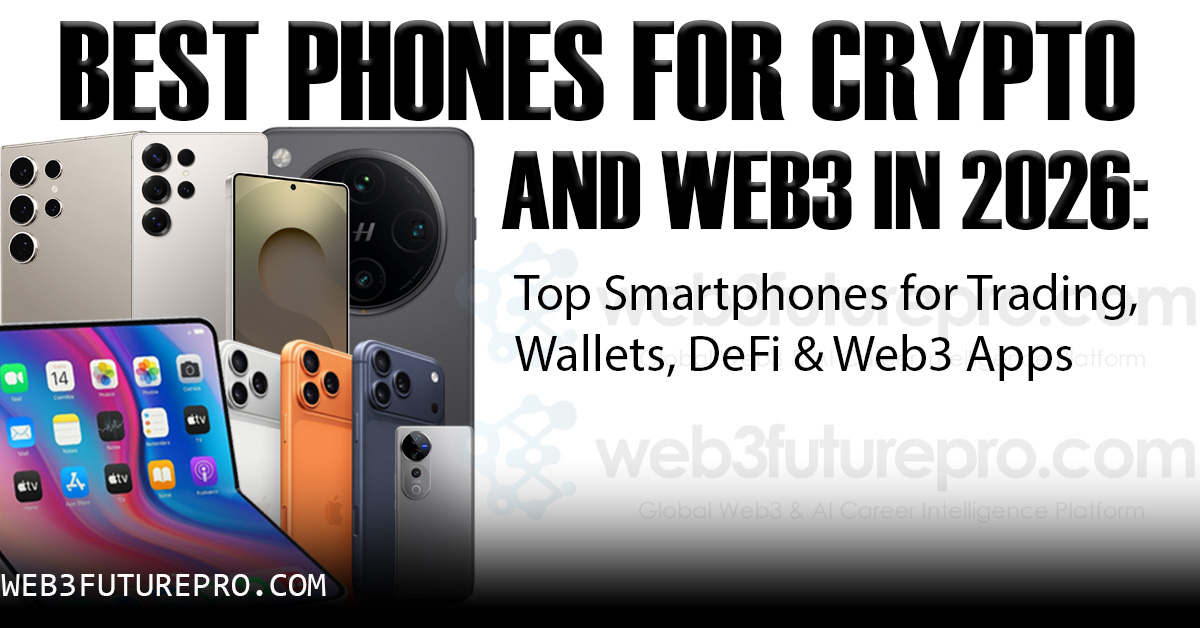
The best phones for crypto and Web3 in 2026 are no longer simply the smartphones with the fastest processors or highest-resolution cameras.
For crypto users, a good smartphone needs to handle demanding trading platforms, decentralized applications (DApps), crypto wallets, two-factor authentication, blockchain networks, and Web3 services while providing strong protection for sensitive accounts and personal information.
Security is especially important because a smartphone used for crypto can become a gateway to exchanges, wallets, DeFi protocols, NFTs, and other digital assets. Current 2026 smartphone recommendations for crypto trading highlight devices such as the iPhone 17 Pro Max, Samsung Galaxy S26 Ultra, and Google Pixel 11 Pro/Pro XL for their combination of performance, security features, software support, and reliability.
Samsung’s 2026 Galaxy S26 series, for example, combines Knox Vault and device-level security protections, while Samsung’s ecosystem continues to support digital-asset management features and blockchain-related functionality on compatible devices.
For serious Web3 users, however, the smartphone is only one part of the security setup. The choice of wallet matters just as much. Current crypto-wallet research distinguishes between convenient mobile/software wallets and more secure hardware wallets designed for long-term self-custody.
CHECK: Apple iPhone 18 Pro Max: Why It’s a Powerful Choice for Web3 Guys
This guide explores the best phones for crypto and Web3 in 2026, comparing smartphones for cryptocurrency trading, DeFi, crypto wallets, DApps, NFTs, Web3 gaming, security, battery life, display quality, performance, and everyday use.
Best Phones for Crypto & Web3 in 2026: Top Smartphones Ranked
A smartphone is now the primary interface most people use to manage digital assets — checking prices, approving DeFi transactions, signing into exchanges, and holding the private keys behind self-custody wallets. That makes the phone itself part of your security posture, not just a convenient screen. Choosing the wrong one, or configuring the right one carelessly, is a genuinely common way crypto users lose funds.
This guide covers the phones actually worth considering for crypto trading, wallet management, and Web3 app use in 2026 — both mainstream flagships with strong hardware-backed security and the small, persistent category of dedicated “crypto phones” built specifically for Web3 users. It also covers what to actually look for, since raw performance specs matter far less here than most buying guides suggest.
A quick note on scope: nothing in this article is financial advice, and no device — however secure — substitutes for good personal security habits or a hardware wallet for meaningful holdings. Treat phone choice as one layer of a broader security approach, not the whole strategy.
What Actually Matters When Choosing a Phone for Crypto
Before getting into specific models, it’s worth being clear about what genuinely affects your security and usability with crypto, because it’s not what most general phone reviews emphasize.
Hardware-backed key isolation. The single most important security feature is whether the device has a dedicated, hardware-isolated environment for storing sensitive cryptographic material — separate from the general operating system.
Apple’s Secure Enclave, Samsung’s Knox Vault, and Google’s Titan M2 are the three major implementations of this idea on mainstream flagships. Critically, whether a specific crypto wallet app actually uses that hardware isolation for your private keys depends on the wallet’s own implementation — the phone provides the capability, but the app has to be built to use it.
Long-term security update commitments. Apple, Samsung, and Google currently offer the longest software support windows among major manufacturers, and that matters more for crypto security over time than almost any other spec. A phone that stops receiving security patches becomes progressively more vulnerable to newly discovered exploits, regardless of how strong its original hardware security was.
Biometric authentication quality. Fast, reliable fingerprint or facial recognition adds a meaningful everyday security layer for wallet apps and exchange logins, reducing reliance on typed passwords that can be shoulder-surfed or phished.
Display and multitasking, for active traders. For anyone actively watching charts, running multiple exchange apps, or monitoring DeFi positions, screen size and the ability to view multiple apps simultaneously genuinely improves usability — though this is a convenience factor, not a security one.
RAM and processing power. Running wallet apps, exchange platforms, and DeFi browsers smoothly benefits from a flagship-level processor and at least 12GB of RAM, mainly to avoid app crashes or lag during volatile market moments when execution speed matters.
The Top Phones for Crypto and Web3 in 2026
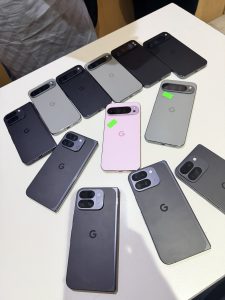
iPhone 17 Pro Max — Best Overall
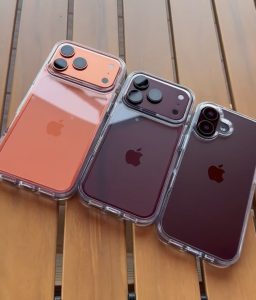
Apple’s current flagship remains the strongest general-purpose choice for crypto users in 2026, combining the A19 Pro chip, a 6.9-inch OLED display with 120Hz ProMotion, and a vapor-chamber cooling system built to sustain performance under demanding workloads.
For security, Apple’s Secure Enclave provides hardware-isolated protection for biometric data and can protect cryptographic keys for apps built to use Apple’s secure key APIs — though, as with any phone, whether a given wallet actually stores its keys in that isolated hardware depends on how the wallet itself is built. Combined with Face ID and Apple’s consistently long security-update track record, the iPhone 17 Pro Max is a dependable choice for wallets, exchange apps, and authentication tools.
Best for: users who want the most mature, broadly compatible app ecosystem paired with proven hardware security and don’t need Android-specific customization.
Samsung Galaxy S26 Ultra — Best Android Option
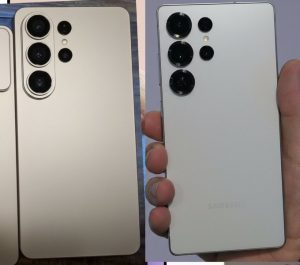
Samsung’s current flagship pairs a 6.9-inch display with Knox Vault, Samsung’s hardware-backed isolation system for authentication credentials and biometric data. Samsung has committed to seven generations of OS upgrades and seven years of security updates on this generation — among the longest support windows in the Android ecosystem.
A notable addition for financial use specifically is the built-in Privacy Display, which reduces how visible on-screen information is from side angles, genuinely useful when checking a portfolio or exchange balance in public. Samsung has also introduced post-quantum protections within parts of its broader security ecosystem, though this shouldn’t be read as making cryptocurrency private keys or blockchain signatures themselves quantum-resistant — that’s a separate, unsolved problem across the entire crypto industry.
Best for: Android users who want the longest security-update commitment currently available on the platform, plus a large screen well suited to charts and trading interfaces.
Google Pixel 11 Pro / Pro XL — Best for Fast Security Updates
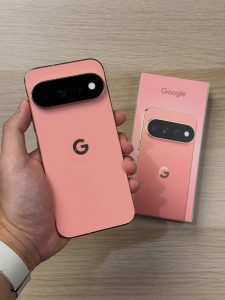
The Pixel 11 Pro series is Google’s current flagship generation, and its main advantage for crypto users is structural rather than a specific feature: because Google controls both the hardware and the software, security patches arrive directly from Google rather than being delayed by third-party manufacturer testing cycles.
This combines with hardware-backed security, verified boot, and Android’s built-in application sandboxing to make the Pixel line particularly appealing for anyone running multiple security-sensitive apps — wallets, exchange apps, authenticator apps — simultaneously. As with other Android and iOS devices, hardware-backed security capability doesn’t automatically mean every wallet app stores its keys in dedicated secure hardware; that depends on the specific app.
Best for: users who prioritize getting security patches as fast as possible and prefer a clean Android build without manufacturer-added software layers.
Samsung Galaxy Z Fold8 / Fold8 Ultra — Best for Multitasking
For active traders who want to monitor multiple data sources at once, the Fold8’s large foldable display is the standout option in this list, letting users view charts, exchange order books, news, and portfolio trackers side by side without constantly app-switching.
It carries the same Knox and Knox Vault security architecture as Samsung’s non-foldable flagships, along with the same long-term update support. It’s worth being clear about one limitation: the Fold8 is not a dedicated hardware wallet, and crypto security on this device still depends entirely on the wallet app and the user’s own security discipline — the large screen is a productivity feature, not a security one.
Best for: high-frequency traders and portfolio managers who genuinely benefit from viewing multiple financial data sources simultaneously.
Solana Seeker — Best Dedicated Web3 Phone
The Solana Seeker is the most crypto-native device on this list, and the clearest example of what a phone built specifically around Web3 use looks like in 2026. It ships with a MediaTek Dimensity 7300 processor, 8GB of RAM, 128GB of storage, a 6.36-inch AMOLED display with a 120Hz refresh rate, a 4,500mAh battery, and 5G connectivity — solid mid-range specs rather than flagship-tier performance, which reflects the device’s real priority.
Its defining feature is Seed Vault, a hardware-isolated key storage system that keeps private keys inside a secure element the rest of the operating system cannot read, with transactions approved via fingerprint authentication. Unlike pairing a phone with an external hardware wallet, Seed Vault signs transactions inside the device itself, which developer education platform BloFin’s 2026 review describes as a meaningful upgrade over a standard phone for funds you touch often — while still recommending a fully offline hardware wallet for large holdings rarely moved.
The device also ships with a fee-free dApp Store carrying more than 100 Solana-native applications across DeFi, NFTs, gaming, and other categories, avoiding the 15% to 30% fees Apple and Google typically take on in-app purchases through their own stores.
Seeker launched globally in August 2025 at a retail price of $500 (with early pre-orders around $450), and shipped with more than 150,000 units pre-ordered — a genuinely large rollout for a niche hardware category. It also introduced a “Genesis Token,” a non-transferable NFT minted at setup that unlocks ecosystem perks, and SKR, Solana Mobile’s native token, which went live in January 2026.
Best for: active Solana ecosystem users and Web3-native traders who want in-device hardware key isolation without carrying a separate hardware wallet — with the clear caveat that it’s built around one blockchain ecosystem rather than functioning as a universal crypto device.
Comparison Table: iPhone, Samsung, Google Pixel & Solana Seeker
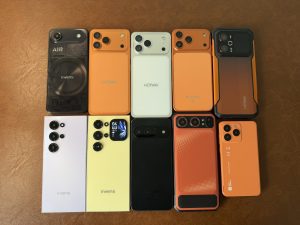
| Model | Security Architecture | Display | Best For | Approx. Price |
|---|---|---|---|---|
| iPhone 17 Pro Max | Secure Enclave, Face ID | 6.9″ OLED, 120Hz | Best overall, mature app ecosystem | $1,200+ |
| Samsung Galaxy S26 Ultra | Knox Vault, Privacy Display | 6.9″ | Best Android, longest update support | $1,300+ |
| Google Pixel 11 Pro / Pro XL | Hardware-backed security, verified boot | Pro/Pro XL options | Fastest security patches | $1,000+ |
| Samsung Galaxy Z Fold8 / Fold8 Ultra | Knox Vault | Large foldable | Multitasking, chart-heavy trading | $1,900+ |
| Solana Seeker | Seed Vault (in-device hardware key isolation) | 6.36″ AMOLED, 120Hz | Dedicated Web3/Solana use | $450–$500 |
Mainstream flagship pricing varies by storage configuration and region; figures are approximate starting points for base configurations.
Why Dedicated Crypto Phones Remain a Niche Category
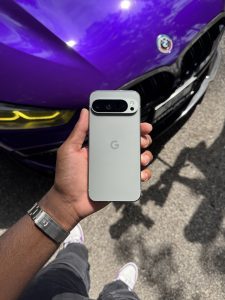
The Solana Seeker‘s success is real but relatively contained — a strong showing within the Solana ecosystem specifically, not evidence that dedicated crypto phones are becoming mainstream. This pattern has repeated across the category’s history. Sirin Labs’ Finney was one of the earliest well-known devices with a built-in cold wallet. HTC’s Exodus supported blockchain node functionality alongside an integrated wallet.
Solana’s own first-generation device, the Saga, offered deep Web3 integration at a $1,000 price point before the more affordable Seeker followed. None of these devices achieved mass-market adoption, and the common thread across the category, according to a 2026 comparison published by trading-education platform Traders Union, has been limited software support, smaller app ecosystems, and shorter update cycles relative to mainstream flagships.
That’s the core tradeoff worth understanding clearly: a dedicated crypto phone offers deeper native integration with a specific blockchain ecosystem’s wallets and dApps, but it generally can’t match the multi-year security update commitments, broad app compatibility, and proven manufacturing scale that Apple, Samsung, and Google bring to their flagship lines.
For most users — including most people who trade actively or use DeFi regularly — a mainstream flagship with strong hardware-backed security remains the more practical daily driver, with a dedicated device like Seeker making sense specifically for users deeply embedded in one ecosystem who want that ecosystem’s tools built directly into the hardware.
The Security Habits That Matter More Than the Phone Itself
No phone, however secure, compensates for weak personal security practices, and it’s worth being direct about which habits actually move the needle.
Download wallet and exchange apps only from official app stores, and verify the developer name before installing — fake wallet apps designed to steal credentials or seed phrases remain a common attack vector across both iOS and Android.
Use authenticator-app or hardware-key two-factor authentication instead of SMS-based 2FA. SMS codes are vulnerable to SIM-swapping attacks, where an attacker convinces a mobile carrier to transfer your phone number to a device they control, intercepting your verification codes in the process.
Keep the operating system and all apps updated. This is precisely why long-term update commitments matter as a buying criterion — a phone that stops receiving patches becomes progressively more exposed to vulnerabilities that have already been publicly documented and are actively being exploited elsewhere.
Never store a seed phrase as a screenshot or in a notes app. A seed phrase is the master recovery credential for a non-custodial wallet, and storing it in any searchable, cloud-synced, or screenshot-accessible location defeats much of the purpose of self-custody in the first place. Write it down and store it offline.
Avoid transacting over public Wi-Fi. Executing wallet transactions or logging into exchange accounts over unsecured public networks increases exposure to data interception; use cellular data or a trusted private connection instead.
Treat your phone as a trading and daily-use tool, not long-term cold storage. This is the single most important principle across every source reviewed for this guide. A phone — even one with hardware-isolated key storage like Seed Vault or Secure Enclave — is still an internet-connected, frequently-used device running dozens of third-party apps. For significant holdings you don’t move often, a fully offline hardware wallet remains the more appropriate storage method, with the phone reserved for active trading and everyday transactions.
Custodial vs. Non-Custodial: A Foundation Worth Understanding Before Buying
Phone choice matters differently depending on how you’re storing assets. A custodial wallet — the kind built into most centralized exchange apps — means the exchange manages your private keys on your behalf; your phone’s hardware security matters mainly for protecting your login credentials and 2FA.
A non-custodial wallet gives you full control of your private keys directly, which means your phone’s hardware security becomes directly responsible for protecting those keys — a meaningfully higher-stakes relationship between device and asset. Understanding which model you’re actually using shapes how much weight to put on a phone’s hardware security architecture versus its general app ecosystem and update track record.
Practical Recommendations by User Type
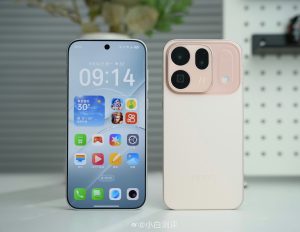
If you’re a beginner starting with small amounts: almost any recent mid-range or flagship smartphone from Apple, Samsung, or Google will handle basic buying, selling, and portfolio tracking safely, provided you follow the security habits above. Specialized hardware isn’t necessary at this stage — disciplined habits matter far more than device choice.
If you’re an active trader running multiple exchange apps and DeFi platforms: prioritize RAM, display quality, and — if you frequently monitor several data sources at once — consider a large-screen or foldable device like the Galaxy S26 Ultra or Z Fold8.
If you’re deeply embedded in one blockchain ecosystem, particularly Solana: a dedicated device like the Solana Seeker offers genuine hardware-level convenience for that specific ecosystem’s wallets and dApps, at a lower price point than most flagships, though it trades off broader app compatibility and Apple- or Samsung-level long-term update commitments.
If you hold significant crypto value: no phone on this list, including devices with dedicated hardware key isolation, should be your primary storage method. Pair whichever phone you choose with a proper offline hardware wallet for anything beyond active trading capital.
The best phone for crypto and Web3 in 2026 isn’t necessarily the one with the most crypto-specific branding — it’s the one combining genuine hardware-backed security, a long, reliable update commitment, and an app ecosystem mature enough to run the wallets and exchanges you actually use.
For most people, that points toward the iPhone 17 Pro Max, Samsung Galaxy S26 Ultra, or Google Pixel 11 Pro, each offering proven hardware security architecture and years of committed support. The Solana Seeker remains the most interesting exception — a genuinely capable, purpose-built device for users centered specifically in the Solana ecosystem, at a price well below flagship territory. Whichever device you choose, the security habits around it — update discipline, app-source verification, seed-phrase handling, and treating a phone as a trading tool rather than a vault — will do more to protect your assets than any single hardware feature.
Choosing the best phone for crypto and Web3 in 2026 depends on how you use digital assets. Active traders may prioritize performance, display quality, battery life, connectivity, and reliable exchange apps, while DeFi and Web3 users may place greater emphasis on wallet compatibility, DApp support, browser performance, and device security.
Flagship smartphones such as the iPhone 17 Pro Max, Samsung Galaxy S26 Ultra, and Google Pixel 11 Pro/Pro XL offer the combination of processing power, software support, security, and premium hardware that crypto users increasingly expect. Android users may also benefit from Samsung’s security ecosystem, including Knox Vault and compatible digital-asset features.
Still, no smartphone can make crypto completely risk-free. Users should keep their operating system and wallet applications updated, enable strong authentication, avoid suspicious links and DApps, verify transaction details before signing, and consider a dedicated hardware wallet when storing significant assets for the long term. Hardware wallets remain an important option for users seeking stronger separation between everyday mobile activity and crypto self-custody.
For Web3 users in 2026, the ideal smartphone is therefore not simply the most expensive model. It is the device that offers the right balance of security, performance, wallet compatibility, battery life, software support, and Web3 usability for the way you actually use crypto.
References
- Traders Union — “Best Smartphones For Crypto Trading In 2026“
- Trust Wallet — “Best Crypto Wallets 2026: The Complete Mobile Guide“
- TheNextWeb — “The Best Web3 Wallets in 2026: From Crypto Storage to Onchain Trading Hubs“
- BloFin Academy — “Solana Seeker Mobile Explained: The Crypto Phone, and Who Actually Needs One“
- Decrypt — “Solana Seeker Review: A More Measured Crypto Phone“
- Datawallet — “What is Solana Phone? Seeker & Saga“
- BingX — “Solana Seeker Phone Review: Is the $500 Web3 Phone a Good Investment?“
- MetaMask — “Best Mobile Crypto Wallets in 2026“