Arewa music and film industry—home to the prolific Kannywood and a burgeoning music scene—is standing at a historic digital crossroads. The challenges of the past, from piracy and opaque royalty structures to localized distribution limits, are being systematically dismantled by Web3 and blockchain technology.
With over 80 million Hausa speakers globally and a Nigerian Web3 ecosystem that attracted over $43 million in funding in 2025, Northern Nigerian creatives are no longer just seeking a seat at the table; they are building their own decentralized table.
How is the Arewa creative economy reaching the “Next 100 Million” in 2026? This report focuses on the Decentralized Distribution Revolution. As traditional streaming services struggle with localized payment hurdles, Web3 platforms are using Chain Abstraction to allow fans in Niger, Cameroon, and the global diaspora to pay for Hausa content seamlessly using their mobile money wallets. We look at the evolution of Arewaflix 2.0, which has integrated blockchain-based “Product Passports” to combat piracy, ensuring that only authorized users can access premium Kannywood premieres.
Web3 and Blockchain in Arewa Music & Film
This 2026 update highlights the role of the Da Hausa Initiative in bridging the digital divide. By delivering Web3 and financial literacy in the Hausa language, the initiative has empowered a new generation of “On-Chain Creators” who are exporting Arewa culture to the world. We examine how decentralized storage (IPFS) is making Arewa films permanent and censorship-resistant, providing a secure vault for Northern Nigeria’s cultural heritage in the digital age.
In an industry long dominated by piracy, opaque royalty splits, and limited local reach, Arewa musicians and filmmakers are sitting on a goldmine of cultural IP that could generate sustainable wealth—if they embrace decentralized technology. While global streaming platforms pay fractions of a cent per play and middlemen take the lion’s share, blockchain promises near-instant, transparent payments, fan-owned assets, and borderless distribution. For Northern Nigeria’s vibrant Hausa creative ecosystem—Arewa music and Kannywood—this shift could be transformative.
The Arewa Creative Powerhouse: Rich Heritage, Persistent Challenges

Arewa, encompassing Northern Nigeria’s Hausa-speaking heartland, boasts one of Africa’s most prolific regional entertainment scenes. Kannywood, centered in Kano, produces hundreds of films annually, rivaling aspects of Nollywood in volume and cultural resonance. Music and film are deeply intertwined, with soundtracks driving film success and artists frequently crossing over.
Legendary and consistent stars anchor the industry:
- Naziru Sarkin Waka: A powerhouse known for emotive, socially conscious tracks that resonate deeply with Hausa audiences.
- Dauda Kahutu Rarara: Celebrated for high-energy performances and massive street appeal.
- Adam A. Zango: Multi-talented artist and actor with crossover stardom.
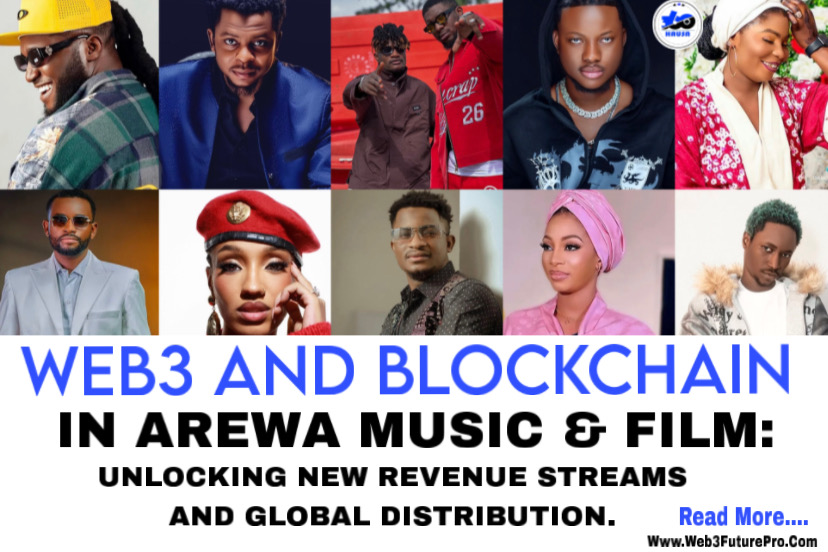
- Umar M Shareef, Hamisu Breaker, Ali Jita, Auta Waziri, and Nura M Inuwa maintain strong followings through consistent output and cultural relevance.
Fast-rising and viral talents are injecting fresh energy:
- Og Abbah dominates with viral street sounds.
- Bilal Villah gains national traction.
- Others like Momee Gombe, Garzali Miko, Fati Niger, DJ AB, Morell, and ClassiQ leverage social media for rapid growth.
Kannywood’s leading lights include Ali Nuhu (“King of Kannywood”), Sadiq Sani Sadiq, Yakubu Mohammed, Nuhu Abdullahi, Sani Musa Danja, Lawan Ahmad, and Umar Gombe, who blend acting with production influence.
Despite this talent and output, challenges persist: widespread piracy, limited international distribution, delayed or unfair payments, poor infrastructure, and language/cultural barriers that restrict global reach. Traditional models leave creators vulnerable, with much revenue lost to intermediaries or unauthorized copies. Web3 and blockchain address these pain points head-on.
Understanding Web3 and Blockchain: Foundations for Creators
Blockchain is a decentralized, immutable ledger that records transactions transparently across a network of computers. Web3 builds on this, emphasizing user ownership, decentralized applications (dApps), and reduced reliance on gatekeepers like major labels, distributors, or streaming giants.
Key technologies for creatives:
- Smart Contracts: Self-executing code that automates agreements (e.g., automatic royalty splits upon streaming or sale).
- NFTs (Non-Fungible Tokens): Unique digital certificates of ownership for music tracks, albums, film rights, behind-the-scenes content, or exclusive experiences.
- Tokenization: Converting rights or revenue shares into tradable digital assets.
- Decentralized Storage (e.g., IPFS): Ensures content persists without centralized servers vulnerable to takedowns or censorship.
These tools create transparency, reduce intermediaries, enable global peer-to-peer distribution, and open secondary markets where creators earn ongoing royalties.
Transforming Music: New Revenue Streams for Arewa Artists

In traditional music, artists earn pennies from streams while platforms and labels capture most revenue. Blockchain flips this.
1. Direct Fan Monetization via NFTs and Tokenized Rights
Arewa artists could mint songs or albums as NFTs. Fans buy ownership stakes, exclusive versions, or access to unreleased content. Smart contracts ensure automatic payouts. Examples from global scenes show artists earning significantly more: some report nearly 10x returns compared to traditional streaming through primary sales and secondary royalties.
For artists like Og Abbah or Naziru Sarkin Waka, limited-edition NFTs of viral tracks with Hausa cultural visuals could appeal to the diaspora and international audiences interested in African heritage. Resale royalties (programmed at 5-10% or more) create passive income—every time an NFT changes hands, the original creator earns.
2. Transparent Royalties and Streaming
Blockchain-based platforms track usage in real-time via oracles and distribute payments instantly. No more waiting months for statements or disputes over splits. Mechanical, performance, and synchronization royalties become programmable and verifiable.
Imagine a soundtrack by Hamisu Breaker or Ali Jita in a Kannywood film: smart contracts automatically split earnings among composer, performers, and producers whenever the film streams or is licensed.
3. Fan Engagement and Community Ownership
Tokenized fan clubs or DAOs (Decentralized Autonomous Organizations) let supporters vote on releases, invest in projects, or share revenue. This builds loyalty beyond passive listening—fans become stakeholders.
4. Merchandise, Experiences, and Micropayments
NFTs can unlock virtual concerts, meet-and-greets, or physical merch. Micropayments via crypto enable direct tipping or pay-per-view live sessions, bypassing platform fees.
Global parallels: Platforms like Catalog or Sound.xyz have enabled lesser-known artists to raise substantial funds. In Africa, early adopters in Afrobeats are experimenting with similar models, pointing the way for Arewa.
Revolutionizing Kannywood: Distribution, Financing, and Anti-Piracy

Film faces even steeper hurdles with high production costs, distribution bottlenecks, and rampant copying.
Decentralized Distribution and Global Reach
Blockchain platforms allow direct-to-consumer sales or rentals using crypto. Smart contracts handle payments instantly, distributing shares to cast, crew, and investors without delays. Filmmakers upload films to decentralized networks, reducing reliance on YouTube (vulnerable to regional blocks or demonetization) or traditional distributors.
For Ali Nuhu or Adam A. Zango productions, this means reaching Hausa communities in Niger, Ghana, Cameroon, the Middle East, Europe, and beyond—plus new markets in Asia and the US—without heavy marketing spend.
Crowdfunding and Tokenized Investment
Instead of depending on local financiers, creators tokenize film rights or revenue shares. Fans and investors worldwide buy fractions, democratizing funding. Success metrics (views, ticket sales) trigger automatic distributions.
Anti-Piracy and Rights Management
Immutable ownership records on blockchain deter piracy by proving provenance. Watermarking or NFT-gated access adds layers of protection. Platforms can verify legitimate copies, enabling better licensing deals.
Case Studies from Around the World
- United States: Artists like Deadmau5 have earned hundreds of thousands via music NFTs with built-in royalties. Film projects use blockchain for transparent investor payouts.
- Asia: South Korea and Japan explore NFT music and virtual idols; blockchain aids efficient cross-border licensing.
- Middle East: Growing interest in cultural preservation through tokenized heritage assets aligns with Arewa’s values; UAE hubs experiment with entertainment Web3.
- South Africa: Strong tech scene supports music NFTs and streaming experiments, offering models for African collaboration.
These demonstrate proven viability, with lessons in regulatory navigation and user education transferable to Nigeria.
Actionable Roadmap: How Arewa Creators Can Adopt Web3 Today

- Education and Skill-Building: Partner with Nigerian Web3 communities (Nigeria ranks high in global crypto adoption) for workshops on wallets, minting, and smart contracts.
- Start Small: Mint a single track or film clip as an NFT on accessible chains (e.g., those with low fees). Use platforms supporting music/film.
- Build a Digital Presence: Secure domains, create verified socials, and educate fans on crypto via simple Hausa explanations.
- Collaborate: Form collectives or DAOs with lawyers familiar with Nigerian IP law and blockchain. Link with Kannywood guilds.
- Infrastructure Solutions: Advocate for better internet and mobile money integration with crypto ramps.
- Monetization Tactics:
- Drop exclusive behind-the-scenes NFTs for films.
- Offer “fractional ownership” in hit songs.
- License music via smart contract marketplaces for global sync deals (ads, games, international films).
- Measure Success: Track on-chain metrics like wallet engagement alongside traditional streams.
Potential revenue uplift: Reduced piracy losses, higher margins (artists keeping 70-100% vs. traditional cuts), and new streams from secondary markets and global fans.
Global Relevance and Cross-Industry Synergies

Arewa’s entry into Web3 positions it within broader African and global narratives. Nigeria’s music (Afrobeats) and film already influence worldwide; adding decentralized tech amplifies this. Partnerships with South African or Kenyan Web3 projects, Middle Eastern cultural funds, or Asian distribution tech could accelerate growth.
Diaspora engagement becomes seamless: A fan in the US buys an NFT from Fati Niger or a stake in a Umar M Shareef project, fostering cultural exchange and remittances via ownership rather than just donations.
Regulatory considerations matter—Nigeria’s evolving crypto policies require compliance, but forward-thinking frameworks can attract investment. Building trust through transparent on-chain activity strengthens authority.
Overcoming Barriers: Realistic Outlook
Adoption faces hurdles: digital literacy gaps, volatility in crypto, regulatory uncertainty, and initial tech costs. Solutions include user-friendly mobile apps, stablecoin payments, community education, and hybrid models blending Web2 platforms with Web3 backends.
Success stories from other emerging markets show gradual then exponential uptake. Arewa’s strong communal ties and cultural pride provide a solid foundation for community-driven Web3 initiatives.
The Future: Arewa Leading a Decentralized Creative Renaissance

Web3 is not a silver bullet but a powerful toolkit for equitable growth. By tokenizing their rich heritage—Hausa rhythms, compelling storytelling, vibrant visuals—Arewa creators can claim direct ownership of their narratives and economics.
Legendary stars like Naziru Sarkin Waka and rising voices like Og Abbah, alongside Kannywood icons like Ali Nuhu, have the platform to pioneer this. The result? Sustainable revenue, global audiences, preserved culture, and empowered communities.
The technology exists today. The question is who in Arewa will seize it first to turn cultural wealth into generational prosperity. The blockchain is waiting—Arewa’s next chapter could be written on it.
By mid-2026, the integration of Web3 and Blockchain in the Arewa music and film industry has transitioned from a technical experiment to a cultural necessity. The “Hausa Language Economy” is now a global powerhouse, leveraging decentralized tools to bypass traditional gatekeepers and secure its financial future.
The takeaway for 2026 is clear: the Arewa Creative Economy has found its “Digital Sovereign.” As we look toward 2030, the ability to tokenize assets, automate royalties, and distribute content on-chain will not only preserve Northern Nigerian culture but will also turn it into one of the most profitable digital exports in Africa.